Plumbing systems play a vital role in any home or business, ensuring that water flows where it is needed while removing waste efficiently. However, many property owners overlook the importance of regular plumbing inspection and maintenance. Just like any other system in your home, plumbing requires routine attention to function optimally and prevent costly repairs down the line. Establishing a proactive plumbing maintenance program not only safeguards your property but also enhances its value.
Understanding the Importance of Regular Plumbing Maintenance
A well-maintained plumbing system can provide peace of mind, reduce water bills, and extend the life of your fixtures and appliances. In Minneapolis, MN, where winter temperatures can lead to unique plumbing challenges, regular inspections become even more critical. Preventive plumbing maintenance helps identify potential issues before they escalate into emergencies that could disrupt your daily life.
For instance, leaks that go unnoticed can cause significant water damage over time. A small drip might seem trivial at first glance, but it can accumulate gallons of wasted water and lead to mold growth or structural damage if left unchecked. Therefore, scheduling regular plumbing inspections allows you to address such minor issues before they become major headaches.
Factors Influencing Plumbing Maintenance Frequency
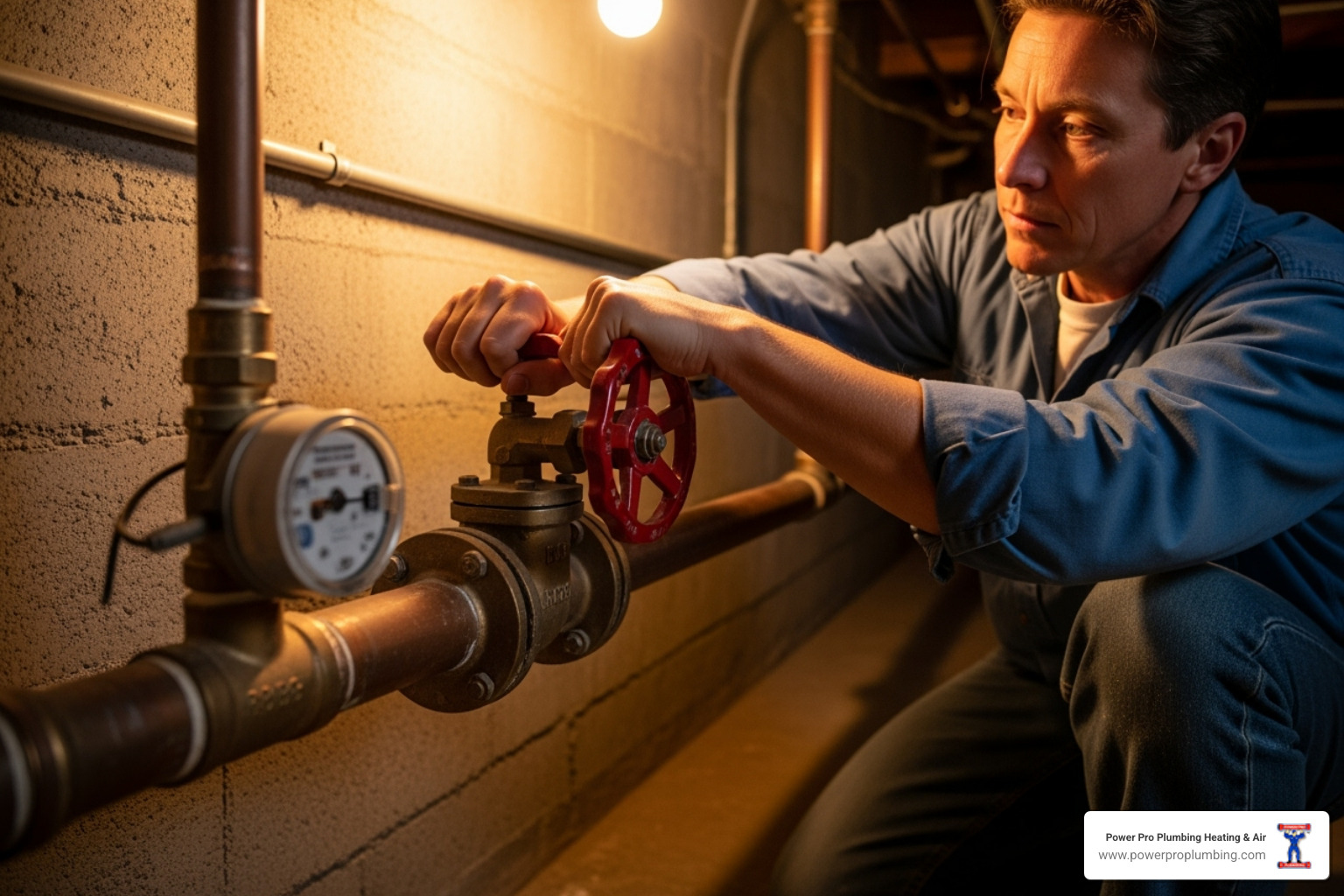
While many homeowners may wonder how often they should schedule these inspections and maintenance tasks, several factors come into play:
Age of the Plumbing System: Older homes with outdated plumbing materials may require more frequent assessments due to wear and tear. Water Quality: Hard water can lead to mineral buildup in pipes and fixtures; homes using hard water may need more frequent maintenance. Usage Patterns: The number of occupants in a household or frequency of use in a commercial space affects wear on the plumbing system. Environmental Conditions: Areas prone to extreme weather changes or flooding may necessitate additional inspections. Past Issues: If there have been previous leaks or clogs, you might want to schedule inspections more frequently as a precaution.Considering these factors will guide you toward determining an appropriate schedule for your plumbing inspection and maintenance.
Recommended Scheduling for Plumbing Inspections
Generally speaking, most experts recommend scheduling comprehensive plumbing inspections at least once a year. This frequency allows plumbers to check critical Homepage components such as pipes, drains, sewer lines, and fixtures thoroughly.
In addition to yearly inspections, consider incorporating routine maintenance tasks every six months. These tasks might include checking for leaks under sinks, inspecting toilets for proper function, cleaning aerators on faucets to prevent clogs, and flushing out your water heater to remove sediment buildup.
For properties with specific risk factors—such as older homes or those with previous plumbing issues—biannual inspections may be warranted. Establishing a scheduled plumbing maintenance agreement with a trusted service provider can streamline this process by ensuring that appointments are made regularly without needing reminders.
The Benefits of Proactive Plumbing Maintenance
Investing in planned plumbing maintenance pays dividends over time. Regular upkeep helps you avoid sudden breakdowns that can disrupt your daily routine and result in costly repairs. Here are some key benefits:
- Cost Savings: Addressing minor issues early prevents them from developing into major problems that require expensive repairs. Increased Lifespan of Fixtures: Routine care keeps your pipes and appliances functioning efficiently for longer periods. Improved Water Quality: Regular checks can uncover sources of contamination or inefficiency in the system. Peace of Mind: Knowing your plumbing is regularly inspected allows homeowners to rest easy rather than worrying about potential disasters.
Identifying Signs That You Need Immediate Attention
While routine checks are essential for overall health of your plumbing system, certain signs indicate that immediate attention is necessary:
- Unusual Sounds: Gurgling noises or constant dripping sounds suggest underlying issues that need investigation. Low Water Pressure: A sudden drop in pressure could indicate blockages or leaks within the system. Discolored Water: Brown or rusty-colored water signals rusted pipes or deterioration within the plumbing infrastructure. Water Stains: Stains on walls or ceilings suggest leakage that needs prompt addressing. Frequent Clogs: Recurring clogs imply deeper systemic issues requiring professional assessment.
Recognizing these warning signs quickly facilitates timely intervention before minor problems escalate into significant repairs.
Creating a Comprehensive Plumbing Service Plan
Engaging with a reputable plumber who offers tailored service plans provides peace of mind while ensuring all aspects of your system receive attention. A well-designed plumbing service plan typically includes:
- Scheduled annual inspections Priority service during emergencies Discounts on repairs Regular cleaning services for drains Detailed documentation regarding previous work performed
By opting into such arrangements, you establish an ongoing relationship with professionals who know your property's particular needs intimately—allowing them to monitor changes effectively over time.
Conclusion
Regularly scheduled plumbing inspection and maintenance form an integral part of responsible property ownership in Minneapolis and beyond. As each home presents its own unique set of challenges based on age, usage patterns, environmental conditions—and personal experiences—tailoring a proactive approach ensures that homeowners remain ahead of potential problems rather than reacting too late when disasters strike.
Ultimately investing time—and resources—into establishing a reliable plan will pay off significantly through enhanced comfort levels while minimizing unexpected expenses associated with emergency fixes down the road. Prioritizing comprehensive assessments every 12 months complemented by semiannual checks represents best practice—a strategy designed not just for survival but thriving within any living space we call home!