When it comes to maintaining plumbing systems, the choice between hiring a contractor plumbing service plan or undertaking do-it-yourself (DIY) tasks often hinges on both personal skills and the specific requirements of preventive care. Plumbing maintenance in Minneapolis, MN, can be particularly challenging due to the region’s unique climate and infrastructure. Understanding what is involved in effective preventive plumbing maintenance is essential for homeowners seeking to make informed decisions about their plumbing systems.
The Importance of Preventive Plumbing Maintenance
Preventive plumbing maintenance is not just about fixing leaks or unclogging drains; it encompasses a comprehensive approach to keeping your plumbing system operational and efficient. Regular inspections, timely repairs, and proactive measures can prevent costly emergencies down the line. In a place like Minneapolis, where freezing temperatures can wreak havoc on pipes, a solid maintenance plan becomes even more critical.
Planned plumbing maintenance involves scheduling routine checks and services that help identify potential issues before they escalate. This includes everything from checking for leaks and corrosion to inspecting water heaters and sump pumps. Such diligence fosters a more reliable plumbing system that can withstand the rigors of seasonal changes.
Assessing Your Skills: DIY Plumbing Maintenance
expert plumbing maintenance Minneapolis, MNMany homeowners feel confident tackling basic plumbing tasks themselves. Simple jobs like unclogging sinks or replacing fixtures can often be accomplished with minimal tools and effort. However, understanding one's limitations is crucial when considering bathroom or kitchen renovations, pipe replacements, or complex installations.
To evaluate whether you can handle preventive plumbing maintenance yourself, consider these factors:
Knowledge of Plumbing Systems: Familiarity with how your plumbing works is fundamental. An understanding of supply lines, drainage systems, and venting will help you assess what needs attention.
Tool Proficiency: You need more than just basic tools to effectively maintain your plumbing system. A homeowner must be comfortable using wrenches, plungers, snake augers, and perhaps even specialized equipment for video inspections.
Problem-Solving Skills: When problems arise—like unexpected leaks or strange noises—you should be able to troubleshoot effectively without causing further damage.
Time Commitment: DIY projects often take longer than anticipated. If you have a busy schedule or other responsibilities, dedicating time to regular inspections may be challenging.
Safety Awareness: Some plumbing tasks may pose safety risks if not performed correctly. Understanding when it’s best to call in professionals can save you from personal injury or property damage.
Homeowners who possess these skills may find success in conducting routine plumbing maintenance themselves but must remain vigilant about the limitations of their expertise.
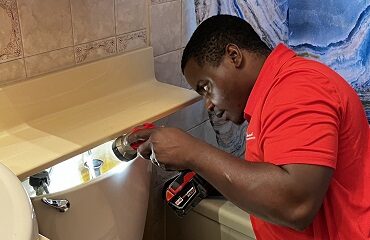
When to Call in Professionals
While DIY can be appealing for minor repairs and regular upkeep, certain situations necessitate professional intervention due to their complexity or potential risks involved:
- Complex Repairs: Tasks like repiping a house or repairing sewer lines require specialized knowledge and equipment that most homeowners do not have. Emergency Situations: A burst pipe or severe leak demands immediate attention that professionals are trained to handle quickly and efficiently. Regulatory Compliance: Local codes may dictate specific requirements for installations or repairs that only licensed contractors understand fully. Comprehensive Inspections: A professional plumber can conduct thorough evaluations that include checking pressure levels, examining water quality, and assessing overall system health—services typically beyond the scope of an average homeowner's knowledge.
Hiring a contractor brings advantages such as access to advanced diagnostic tools and experience managing various issues that may arise during preventive maintenance tasks.
The Balance Between DIY Efforts and Professional Services
Finding an appropriate balance between DIY efforts and professional assistance is vital for effective preventive care in your home’s plumbing system. Homeowners should assess their capabilities while also considering the condition of their existing systems.
A well-rounded approach might involve handling routine tasks—such as periodic drain cleaning or faucet replacements—while entrusting significant inspections or major repairs to experienced professionals who offer comprehensive plumbing service plans tailored specifically for Minneapolis’ climate challenges.
Establishing a Plumbing Maintenance Program
Creating a structured plumbing maintenance program enhances overall effectiveness by ensuring consistent care over time. Such programs typically include scheduled inspections combined with routine maintenance activities tailored according to individual needs.
Here are some essential components:
- Regular Inspections: Schedule biannual check-ups with licensed plumbers who can identify potential issues early on. Routine Cleaning: Implement routine cleaning practices for drains using safe products that minimize buildup without damaging pipes. Seasonal Preparations: Before winter sets in, prepare your pipes by insulating vulnerable areas against freezing temperatures common in Minneapolis winters. Documentation: Keep records of all maintenance work completed—this helps track patterns over time which could indicate underlying problems needing attention. Emergency Contacts: Identify reliable plumbers who provide 24/7 services should urgent situations arise unexpectedly.
A carefully structured program allows homeowners peace of mind knowing they are taking proactive steps toward safeguarding their home’s infrastructure while also being prepared for any eventualities that might occur.
Proactive vs Reactive Maintenance
The philosophy behind preventive care revolves around engaging in proactive versus reactive maintenance strategies—addressing issues before they escalate rather than merely responding once problems manifest.
In practice:
- Proactive approaches involve regular monitoring schedules aimed at identifying weaknesses within systems early on through techniques such as ongoing assessments and thorough inspections conducted by professionals equipped with advanced technology like thermal imaging cameras that detect hidden leaks undetectable otherwise. Reactive strategies focus solely on addressing issues post-occurrence—often leading homeowners into panic mode during emergencies rather than allowing them adequate time for thoughtful decision-making regarding solutions available based upon forecasted budgets aligned with urgency levels dictated by nature itself (e.g., weather-related damages).
By prioritizing proactive methods through established routines complemented by professional insights gained during collaborations over time yields increased longevity not only within individual components but across entire infrastructures too!
Conclusion on Skills Required for Effective Preventive Care
The choice between hiring a contractor versus engaging in DIY efforts ultimately depends on an honest assessment of one’s skills alongside an understanding of the complexities inherent within home plumbing systems today!
While some homeowners may feel empowered enough tackle basic tasks effectively independently; others could find greater value investing resources into expert assistance especially when confronted serious concerns requiring immediate resolution!
Investing time upfront into establishing sound practices surrounding proactive planning enhances overall stability throughout homes fostering environments conducive flourishing lifestyles free from undue stress caused procrastinating necessary actions taken earlier regarding preventative measures undertaken diligently now instead waiting until later when consequences become dire indeed!